
How Hobbies Improve Your Life in Surprising Ways
A guest post by Amy Collett from bizwell.org.
Sometimes it starts as a way to pass time — a lump of clay, an old guitar, a trail that keeps calling you back. No big plan. Just a flicker of interest. You follow it, and then — something shifts. What felt like filler becomes a thread worth pulling. Hobbies are strange like that. They sneak in. And if you let them, they start rearranging things. Not with some big declaration, but with tiny nudges: a better mood, a clearer head, a new person you wouldn’t have met otherwise.
Make Something: Creative Hobbies Aren’t Just for “Artists”
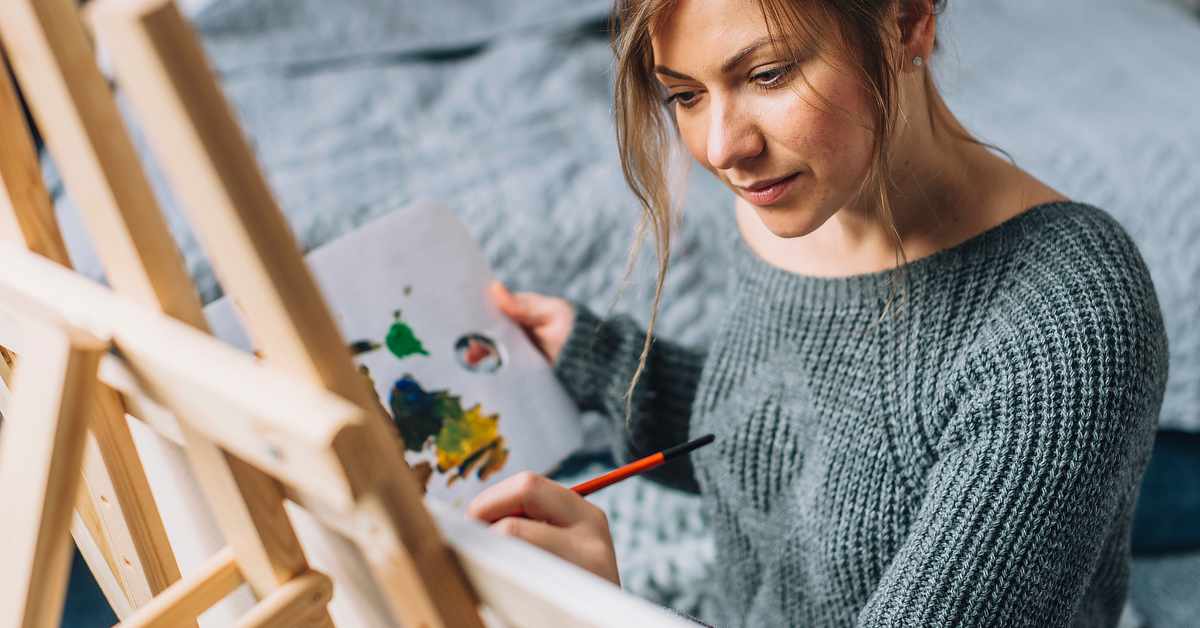
You don’t have to call yourself creative to make things. In fact, most people who make things don’t. They just…start. Maybe it’s a sketchpad. Maybe it’s a beat you tap on your steering wheel. The point isn’t whether it’s good. The point is whether it feels like you.
Creative hobbies slow down your thinking just enough to let something real slip through. You’ll notice it after the third or fourth try — a little less self-editing, a little more flow. Over time, this spills into how you speak, how you write emails, how you explain things to your kid or coworker. You’re not trying to impress anyone. You’re just clearer. That’s what making things does.
Move Your Body: Physical Hobbies That Wake Up More Than Muscles
Most people think you need motivation to move. That’s backwards. Movement creates motivation. Take a walk. Dance for no reason. Stretch like you mean it.
The trick isn’t doing a lot. It’s doing a little, often. Once you find something you don’t dread — cycling, climbing, jumping rope, whatever — the rhythm takes over. You start noticing things: your breath, your balance, how tension hides in your shoulders. Over time, your body doesn’t just feel stronger — it starts to carry stress differently. You stop bracing for life so much. You start responding instead of reacting.
Use Your Brain Differently: Hobbies That Keep You Sharp
Brains like novelty. They love puzzles, games, anything that asks for just enough stretch. When you pick up an intellectual hobby — learning a language, playing chess, even building things in code — you start rewiring your sense of what’s possible.
Don’t aim to get “good.” Just aim to stay interested. The win isn’t being better than someone else. The win is realizing you’re capable of more focus than you thought. You stop avoiding hard problems at work. You ask different kinds of questions. Your attention — normally scattered — starts holding its shape.
Reset, Don’t Escape: Restorative Hobbies That Rebuild Calm
Not everything needs to be a challenge. Some things are just… quiet. A garden. A slow recipe. A jigsaw puzzle left out on the table. These hobbies aren’t about results. They’re about recovery.
Start small. Plant one herb. Fix one broken thing. These little rituals create space between all the noise. That space? It changes you. You respond better when people interrupt you. You don’t crumble when plans fall apart. Not because you’ve “found peace.” But because you’ve practiced it, in small ways, with your hands.
Don’t Go It Alone: Social Hobbies That Fill the Gaps
You can only get so far on your own. Eventually, you need a witness. A laugh from across the room. A nod when you try something weird. Social hobbies — improv, group hikes, game nights, co-op video games — give you all of that.
Yes, it’s awkward at first. But awkwardness fades faster when you’re building something together. Community doesn’t show up fully formed. You build it with repeated proximity and low-stakes collaboration. Then one day you realize: you haven’t felt lonely in weeks. That matters more than you think.
Reshape What You Can Do: Skill-Building Hobbies
Not every hobby stays in the “just for fun” zone. Some quietly sharpen real-world skills. Photography teaches framing and light. Coding builds logic and patience. Home DIY improves spatial reasoning and planning. These aren’t just hobbies — they’re training grounds.
You might start with zero intent beyond curiosity. But as you keep going, you begin solving bigger problems, noticing patterns, connecting dots others miss. That’s when it gets interesting. Maybe it turns into a freelance hustle. Maybe it builds toward a business. Maybe — and this part sneaks up — it makes you braver. Because now you’ve built proof that you can learn your way into new abilities. That changes how you approach nearly everything.
Add Your Heading Text Here
Some hobbies outgrow their hobby status. One day you realize it’s taking up more of your mind than your job does. You’re researching, tinkering, wondering what it would feel like if this thing was real. It doesn’t have to be a giant leap. A few weekend projects turn into a portfolio. A little momentum turns into clients, income, reputation — and now you’re asking new kinds of questions.
If you’re thinking about turning your interest into a business, you don’t have to guess your way through it. The benefits of a business management degree include learning about leadership, operations, and project skills that help things move cleaner. Online programs make that kind of growth possible without breaking your schedule.
Conclusion: Start Something and See Where it Takes You
You’re not “missing” your passion. You’re likely just not giving it room to breathe. Hobbies are how we remember what it feels like to enjoy something with no stakes. And ironically, that’s where some of the most powerful changes begin. Not with discipline or hustle or a ten-year plan — but with trying something small, awkward, and new.
Discover the innovative world of digital and abstract art with Art and Design by Teresa Cowley, where creativity meets technology to push the boundaries of traditional art forms. Dive into Teresa’s unique designs and let your imagination soar!
Write for Art & Design by Teresa Cowley! Submit your guest post or sponsored collaboration idea on art, design or the creative industry. Share your expertise with a global community of artists and designers.


0 Comments