Show Me the Real Thing: Etsy’s New Photo Rules
When you shop online, the photographs help you decide whether a product is worth buying. But as AI-generated images become more convincing, knowing what will actually arrive at your door can be difficult.
Etsy is addressing that uncertainty with updated listing image requirements. For most physical products, listings must include at least one unedited photograph of the actual item against a real background. Exceptions apply to certain products, including qualifying print on demand items.
I don’t personally sell on Etsy, but this change caught my attention as an artist, wearable art designer, and contributor to Scam Alert Global. It raises questions that matter wherever we buy and sell creative work.
Why Etsy Is Making This Change
In its November 6 clarification, Etsy said buyers are finding it harder to identify listings that use AI-generated content. According to the company, that uncertainty has become one of the top three barriers to shopping more often on its platform.
Etsy says requiring a real, unedited photograph will help buyers understand what an item looks like and help the platform identify potentially misleading imagery.
That is a goal I welcome. Product photography should help us understand what we’re buying. It item we’re buying, not the AI presentation of it.
I Do Have One Concern
Unedited includes no correcting lighting. If you have no choice but to take pictures indoors, lighting and in particular, white-balancing issues can cause misrepresentation in hue, how saturated the colour is, and the brightness of the item.
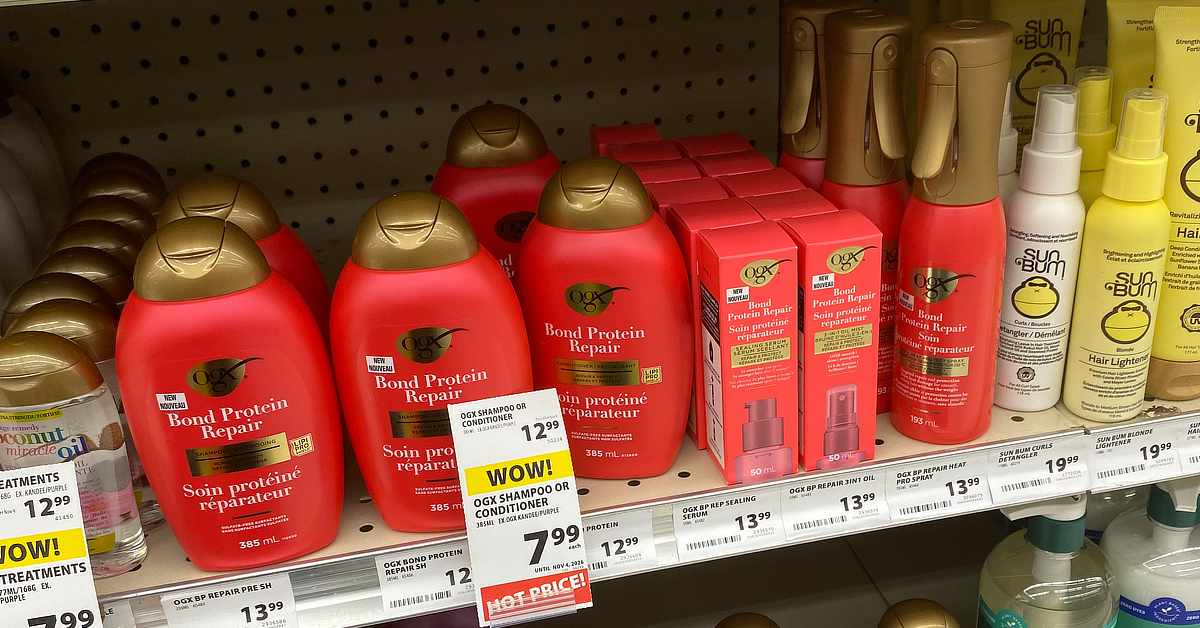
For example, I saw a really beautiful shade of hot pink on shampoo bottles while out shopping one day. I took a photo for inspiration, but in the photo they looked red. It was due to the florescent lighting in the store.
Now imagine those shampoo bottles were a scarf and it looked red in the seller’s real photo but it’s shown as hot pink (the actual colour) in the edited photos. Suppose the buyer saw the red in the unedited photo of the scarf, trusted it, loved it and bought it. The buyer would be expecting a red scarf, not a hot pink one.
When “Handmade” Deserves a Closer Look
Through my work with Scam Alert Global, I’ve learned about marketplace sellers presenting products as handmade when reverse image searches lead to matching items on mass-market suppliers such as AliExpress. Usually we see this on newly created websites where the seller has created an elaborate brand story around their “handmade” items.
Seeing the same photographs and products appear across different shops can raise serious questions about a seller’s claims. We have seen this happening on Etsy as well. It’s my hope that the new image rules may help with this. Because many of the sellers that claim drop shipped items as “handmade,” don’t have the actual physical item to take a real photo of.
I see Etsy’s move towards real product photographs as a positive step towards greater transparency. A photograph can help show that an item exists, although verifying a handmade claim still requires more information.
I will be covering this concerning multiplatform trend in upcoming posts.
What Sellers Need to Know
For products covered by the general requirement, Etsy’s guidance includes these points:
- Include one real, unedited product photograph against a real background.
- It doesn’t have to be the first photograph.
- Cropping, resizing, watermarking, and file format changes are allowed, using tools without AI.
- Lighting adjustments aren’t allowed in the required unedited photograph.
- Other listing images can be edited, provided they accurately represent the product.
Etsy says proactive enforcement is planned for early 2027, with advance notice. It encourages sellers to review their listings now.
What About Print on Demand?
Artists using production partners should check the exceptions before ordering samples solely to meet this rule.
Etsy allows authorised stock photo mockups when a production partner prints your original design onto a standard base product, such as a T-shirt or mug. The requirements depend on the type of item you sell.
Even where mockups are permitted, photographing a sample can give buyers a closer look at your work.
Perfection is Not a Requirement
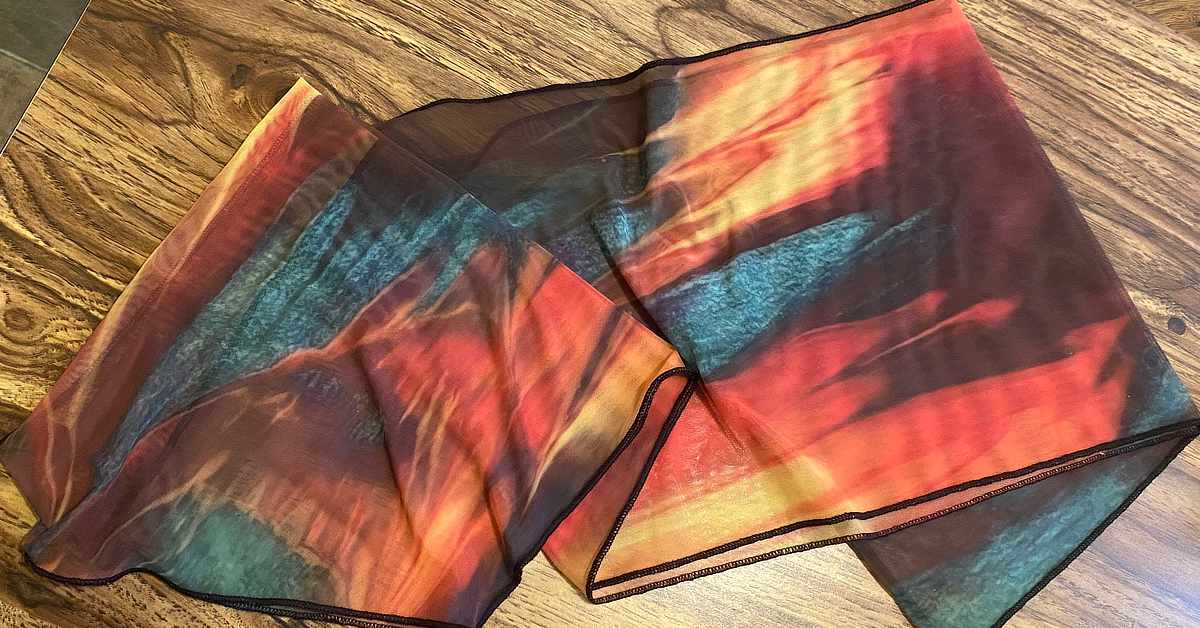
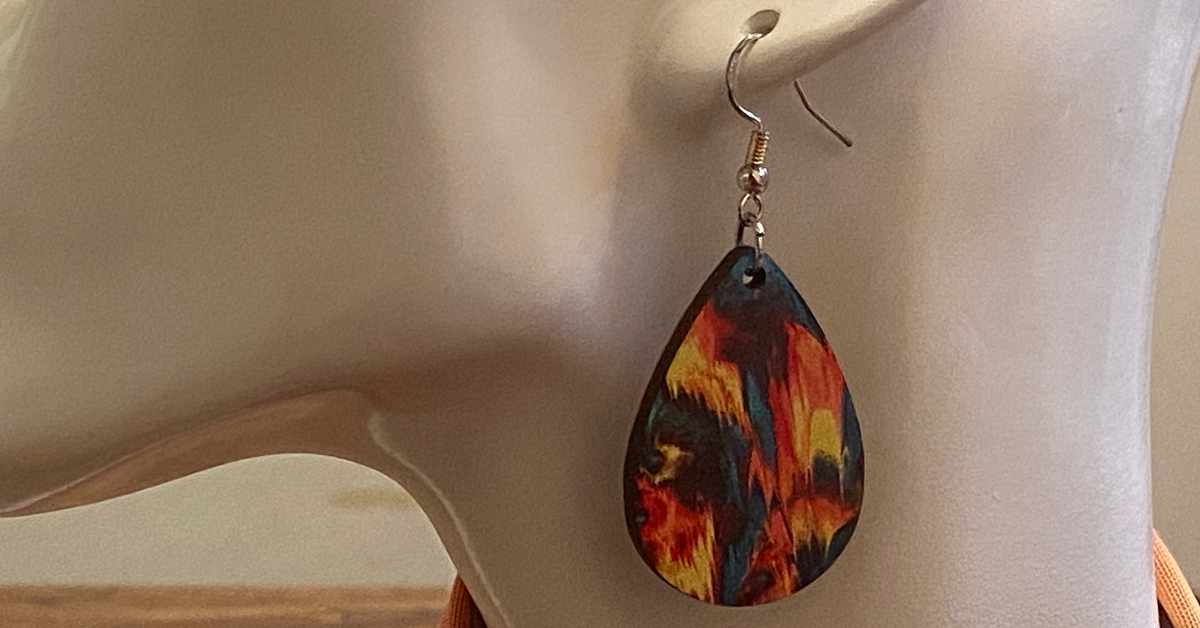
I don’t have professional photography equipment. These photographs show the actual pieces I have in front of me, including how my artwork looks on the finished products.
You don’t need a studio to give someone that extra information. A simple photograph can help buyers see the fabric, shape, print placement, and details that might be harder to judge from a mockup.
For me, that is the value of showing the finished piece. It brings the artwork off the screen and gives the buyer something more concrete to consider.
About the Pieces Shown
The scarf and earrings are included as examples from my own wearable art collection. Both feature my original paintings and are produced through LeGaleriste.
If you’d like to see their product details:
- Scarf — Autumn’s Dance Vivienne Scarf
- Earrings — Autumn’s Dance Pixie Earrings
Write for Art & Design by Teresa Cowley! Submit your guest post or sponsored collaboration idea on art, design or the creative industry. Share your expertise with a global community of artists and designers.


0 Comments