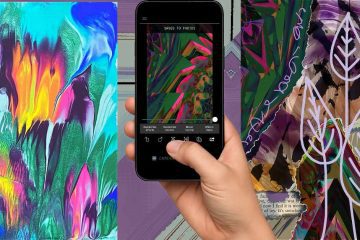
The image shows a collage of three abstract artworks, with a hand holding a smartphone in the center. The left panel features a vivid abstract painting with fluid, blended colors such as turquoise, orange, purple, pink, and green. In the center, a hand is holding a smartphone vertically. The phone screen displays a cropped, stylized version of the abstract art with editing options at the bottom, suggesting it’s being digitally altered or filtered. The right panel shows another abstract composition with similar color themes, overlaid with white line art of stylized leaves and some handwritten script. A snippet of printed text is partially visible at the bottom. The overall aesthetic emphasizes digital art creation and editing, blending organic and graphic elements.

How to Glitch Your Art for Wild Collage Patterns

Turn your doodles, paintings, or mark-filled pages into eye-catching digital art with Decim8—a glitch-art app that transforms photos into wild, abstract textures. It’s playful, unpredictable, and perfect for collage. Whether you’re layering digitally or printing pieces to cut by hand, this workflow fuses tradition and tech in a totally fresh, creative way.

Yes, Digital Art Is Real Art

Digital art is every bit as real as traditional art. From mastering color, light, and texture to building a piece stroke by stroke, digital artists rely on the same creativity and skill as painters or illustrators. It’s not the tools that make art—it’s the artist’s vision and the story their work brings to life.

The image is a collage combining vintage elements. At the center is a sepia-toned, torn photograph of a man and woman in formal attire from the early 20th century. The man has a mustache and wears a bow tie, while the woman has her hair styled up with decorative hairpins and earrings. To the left, there is a smaller photograph of the same man standing in a long coat. The background is layered with old handwritten text, newspaper clippings, and teal and reddish watercolor-like stains. Over the collage, large cursive script is written in pale pink.

The Writing with No Meaning

Dive into the mesmerizing world of asemic writing—art that looks like writing but carries no literal meaning. In this post, I share how exploring mark making and wordless journaling became a meditative, freeing practice that adds depth to my art and lets creativity flow without the pressure of perfection.

A stylized pattern of ocean waves in varying shades of blue set against a beige background. The waves are illustrated with curved, flowing lines and symmetrical shapes, creating a rhythmic, repeating design. Some of the wave crests resemble abstract bird or fish heads, adding a whimsical touch to the composition. The overall aesthetic is reminiscent of traditional Japanese wave art with a modern, graphic twist.

The Art of the Wave

Waves aren’t just ocean drama—they’re design gold. From Hokusai’s crashing prints to Celtic spirals and Art Nouveau swirls, the wave motif flows through cultures as a symbol of rhythm, power, and transformation. This blog dives into its timeless appeal and how you can use it to bring motion and meaning into your own creative work.

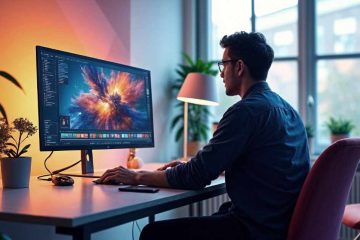
A man wearing glasses and a dark-colored shirt sits at a modern desk, working on a large computer monitor displaying a digital artwork of an explosion in space. The room has a warm, ambient glow from a desk lamp and indirect lighting on the walls. The workspace is neatly arranged with potted plants, a smartphone, a mouse, and a keyboard. A large window in the background lets in natural light, showing an outdoor view. The man appears focused as he interacts with the digital design software on his screen.

Image Composite vs. Collage: Key Differences & Tips

Not sure whether to call your artwork an image composite or a collage? While both involve combining elements, a composite seamlessly blends them into a single, cohesive scene, while a collage embraces contrast and layering. If you’re aiming for realism, mastering digital compositing is key—check out these essential tips to enhance your skills!

A spiral-bound notebook is open on a light-colored surface, with two pages filled with handwritten text and doodles. The left page reads, "Messy doodles and imperfections are allowed in here. That’s the purpose of this book." Surrounding the text are swirly patterns and abstract designs, including curved lines and shapes. The right page is filled with various intricate doodles, including wavy patterns, spirals, and abstract shapes, along with small handwritten notes. The notebook and its creative contents appear to be illuminated by soft natural light.

Messy Sketchbooks: Creative Freedom

Discover the joy of creativity without rules by embracing a “mess-making” sketchbook! It’s not about perfect art but doodling, scribbling, and exploring freely. Let go of perfectionism and reconnect with raw creativity—whether you’re an artist or not. This unstructured space can spark unexpected ideas and bring a little magic to your day.

A close-up view of an abstract painting featuring vivid, swirling colors and a bubble-like texture. The artwork has a rich blend of turquoise, purple, orange, and black, with numerous circular and oval shapes scattered throughout, resembling soap bubbles or cells. The shapes vary in size and are layered, creating a sense of depth. The colors transition fluidly from dark to light, with highlights of glowing orange and contrasting teal and purple tones, emphasizing a dynamic and organic pattern.

Fluid Art Magic: Procreate’s Liquify Tool

Want to capture the vibrant beauty of acrylic paint pours, all digitally? In this guide, I’ll walk you through using Procreate’s Liquify tool to create mesmerizing fluid art effects that mimic real-life pours. From mastering essential settings to layering techniques for depth, learn everything you need to make striking, paint-like creations. Let’s dive into digital pouring!

The image showcases a stylized, minimalist line drawing of a vampire's face in white against a dark, textured background. The vampire has slicked-back hair, angular features, and a stern expression, with a high-collared cloak framing his face. The background is a mix of muted blues and purples, with faint text, shadowy figures, and red streaks that resemble dripping blood. On the right side, a faint, ghostly portrait of another vampire-like figure emerges from the backdrop, adding to the eerie, gothic atmosphere. The word "vampire" is subtly written in orange script on the left side.

Crafting Fear: Emotional Impact in Art

Looking to create spine-tingling Halloween art? Dive into the world of fear and discover how colour, composition, texture, and symbolism can help craft emotionally charged visuals. From eerie colour palettes to unsettling perspectives and shadows, this guide explores the psychology of fear, showing you how to evoke suspense and discomfort in your artwork. Perfect for horror fans!